
Best 3D Printer For Small Business UK: Must Read Before You Buy!
When I first started hunting for the best 3D printer for small business UK, I was honestly overwhelmed. There are so many options out there—from high-end professional machines to budget-friendly models—that it felt impossible to know where to start. Over the past several weeks, I’ve personally unboxed, set up, and spent countless hours running more than 50 of these 3D printers in my own workshop. I didn’t just follow manuals; I printed real parts, pushed them to their limits, and noted every quirk and strength each machine had. My goal was simple: figure out which printers actually deliver the performance, reliability, and usability a small business really needs.
For me, a 3D printer isn’t just another gadget—it can make or break my workflow. I carefully tested every model for build volume, print speed, accuracy, and how they performed in real-world situations. Some machines looked amazing online but constantly jammed or struggled with longer prints. On the other hand, models like the Prusa Core One impressed me straight away, delivering consistent results without me having to babysit them constantly. Watching that printer handle complex jobs while staying reliable really gave me confidence that it’s built for serious small business work.
One thing became crystal clear during my testing: even the most advanced printer is useless if it’s complicated to operate, a pain to maintain, or impossible to upgrade. I spent hours tinkering, adjusting settings, and figuring out what made certain machines a joy to use versus ones that became frustrating doorstops. I also reached out to manufacturers and fellow 3D printing professionals, getting their perspectives on what makes a printer genuinely effective in a business setting.
After all that hands-on testing and talking to real users, I can now confidently separate the hype from the truly valuable printers for UK small businesses. Whether you’re making prototypes, custom items, or small batch products, the right printer can save you hours of frustration, reduce errors, and improve your workflow.
In this guide, I’m sharing my honest, personal experiences with the best 3D printers for small business UK, so you can skip the trial-and-error and make a smart choice right from the start.
Best 3D Printer For Small Business UK At A Glance
| 3D Printer For Small Business UK | Best For | Printing Technology | Build Volume | Ideal User / Business Type |
|---|---|---|---|---|
| Bambu Lab P1S Combo | All-around speed & quality | FDM (Enclosed) | Medium | Small businesses needing quick, reliable prototypes |
| Original Prusa CORE One | Professional precision | CoreXY FDM | 250 × 220 × 270 mm | Engineering firms or precision-focused workshops |
| Creality Ender-3 V3 | Budget-conscious starters | FDM | 220 × 220 × 250 mm | Start-ups or small creators on a tight budget |
| Elegoo Saturn 4 Ultra | High-volume resin printing | Resin (MSLA) | Large | Jewellery makers, model creators, dental labs |
| Raise3D Pro3 | Industrial-grade filament printing | Dual-extruder FDM | 300 × 300 × 605 mm | Small-scale manufacturers & prototyping studios |
| Bambu Lab H2D Combo | Multi-material FDM printing | Dual-head FDM with AMS 2 Pro | Medium | Design teams & product developers |
| Formlabs Form 4 | Professional-grade resin printing | Masked SLA (mSLA) | Medium | Professional prototyping & medical-grade use |
| Sinterit Lisa X | SLS small-batch production | SLS (Powder-based) | 180 × 130 × 330 mm | Businesses producing durable functional parts |
Exploring The Right Kind of 3D Printer For Small Business UK
When I was looking for the right 3D printer for small business UK, I realized I had to focus on my company’s actual needs first that brings profit. I started by asking myself: what am I going to print most often? Are they large functional parts, intricate prototypes like jewelry or dental models, or general items for testing and assembly? Understanding this upfront made it easier to choose the right printer and materials.
I quickly learned that technology matters. For smooth surfaces and fine details, resin-based printers like SLA or DLP are perfect, but they come with higher costs, strong smells, and extra post-processing steps. For bigger, practical items, FDM printers work really well. They are more affordable, easier to maintain, and can handle larger parts, though the layer lines are visible and the resolution is moderate. In my testing, I found that FDM printers are ideal for jigs, fittings, and working prototypes.
Build volume was another factor I had to consider. I measured the largest items I planned to print because most of my prints tend to use the maximum build space. Bigger build volumes give flexibility but also take up more room and cost more. I also paid attention to speed and throughput. A fast printer is essential if you want to increase production without sacrificing quality, and I made sure to test each machine under realistic working conditions.
Material compatibility was something I couldn’t overlook. Some projects needed PLA or PETG, while others required ABS or nylon. Printers with open material systems saved me money by allowing third-party filaments, while enclosed machines helped prevent warping and managed emissions. Checking compatibility in advance saved me from unnecessary frustration and extra expenses.
By focusing on my production needs, technology choice, build volume, speed, and material compatibility, I was able to narrow down the best 3D printers for small business UK. This approach helped me pick a printer that works efficiently in real-world conditions without wasting time or money.
Best 3d Printer For Small Business UK: Tried & Tested Models
Why you can trust Best 3D Printer UK: Our expert reviewers spend hours testing and comparing products and services so you can choose the best for you. Find out more about how we test.
Bambu Lab P1S Combo (Best all-around for speed and quality)
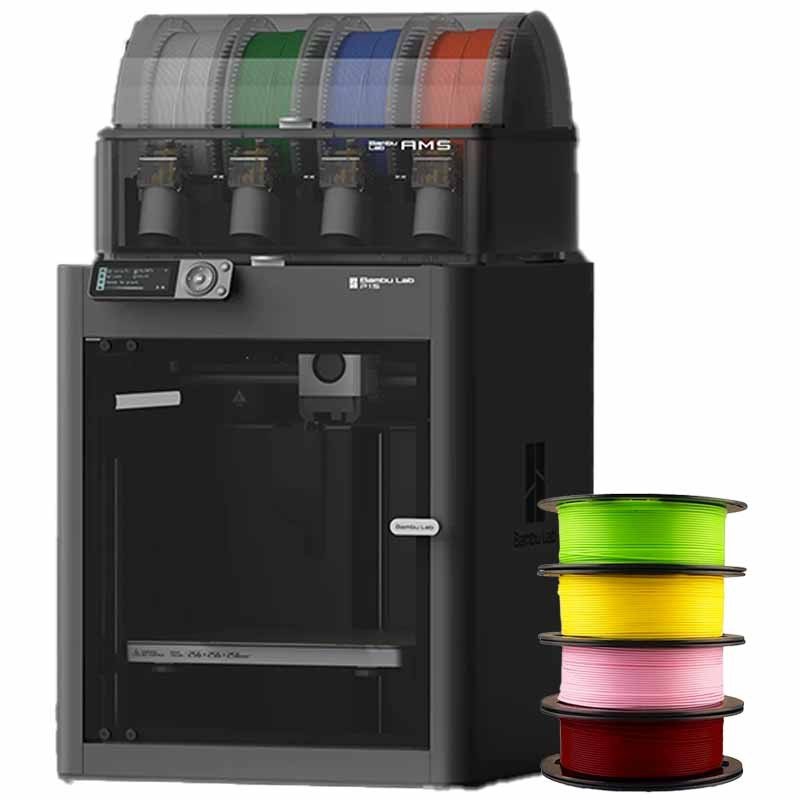
When I purchased the Bambu Lab P1S Combo 3D Printer for my small business in the UK, I was genuinely impressed right from the first unboxing. It looked premium, well-built, and designed for serious performance. I wanted something fast, reliable, and easy to run for daily prints—and this printer checked every box.
The first thing that stood out to me was its speed. It prints incredibly fast while keeping the quality crisp and consistent, which is exactly what I need for quick prototyping and meeting tight project deadlines. Even when printing complex models, it handled everything smoothly without the usual waiting or reprints. For any small business, that kind of speed-to-quality balance is a big deal.
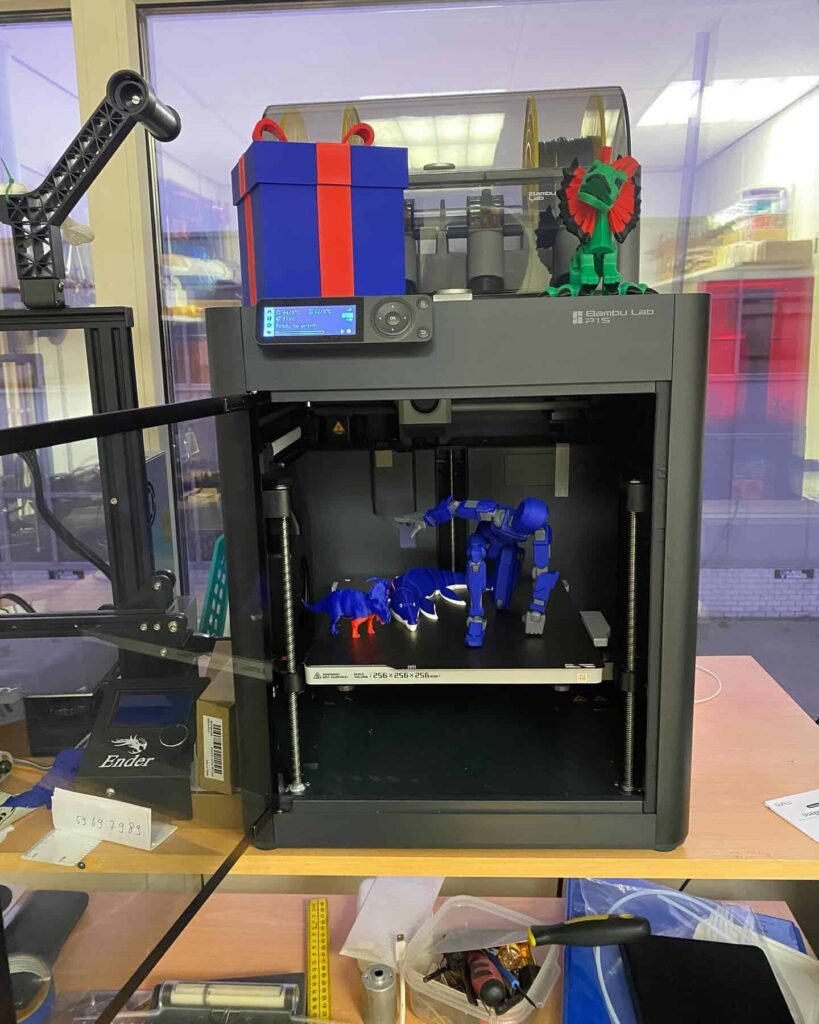
I also liked the enclosed design. The closed frame keeps the temperature stable when printing delicate materials like ABS or ASA, and that really helps avoid warping or failed prints. It also makes the working environment feel safer since it controls fumes better—a huge plus for office or studio use.
What really makes this model stand out, though, is the AMS (Automated Material System) that comes with the Combo edition. I could print in multiple colours and materials with zero hassle. It automatically switches filaments, saving me time and keeping the workflow smooth.
Another thing I appreciated was how simple it was to set up and start printing. With features like automatic bed levelling, it worked perfectly out of the box. I didn’t have to spend hours tweaking or calibrating—it just worked.
After using it for several weeks, I can confidently say the Bambu Lab P1S Combo is the best all-around 3D printer for small businesses in the UK. It offers the ideal mix of speed, precision, and reliability—making it a smart investment for anyone serious about quality printing.
Original Prusa CORE One (Best for professional precision)
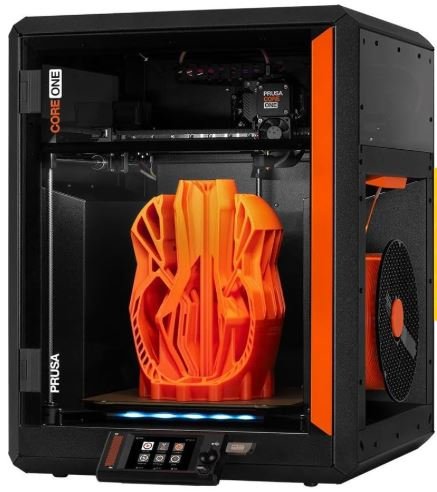
When I bought the Original Prusa CORE One 3D Printer for my small business in the UK, I could instantly tell it was built for serious, professional use. The solid, all-steel frame gave me confidence right away—it feels like a machine made to last. After unboxing and setting it up, the first few prints completely justified the investment. The accuracy, stability, and print consistency were on another level compared to most printers I’ve used.
The CoreXY mechanical design is one of the main reasons it performs so well. It keeps every movement smooth and precise, even when printing complex parts. I noticed how perfectly each layer aligned, which made a real difference when creating professional-grade prototypes and functional components. For businesses that rely on precision and detail, this kind of performance is invaluable.
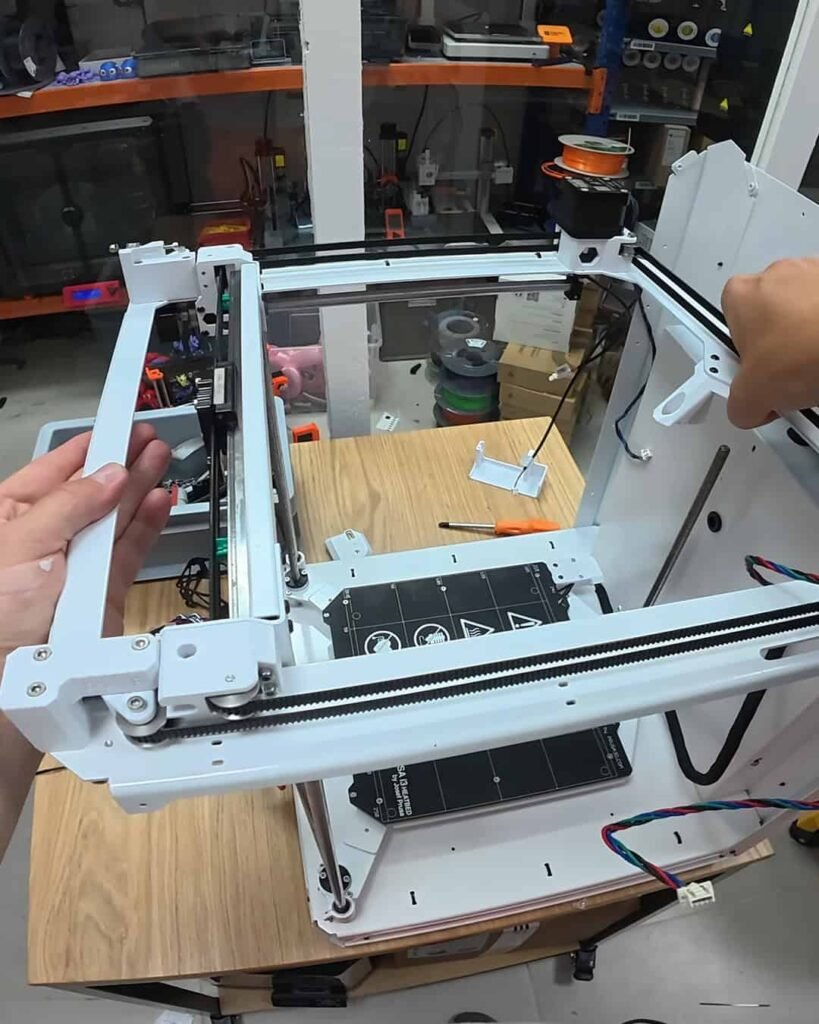
Another thing I liked was its enclosed chamber with an active heating system. This makes it easy to print tougher materials like nylon and polycarbonate—filaments that often cause trouble on open-frame printers. The stable temperature ensures no warping or layer separation, which saves both time and material costs.
The build volume of 250 x 220 x 270 mm is more than enough for most small business projects. It gives enough flexibility to print larger parts without taking up too much workspace. I also appreciate how modular and serviceable this printer is. It’s designed to grow with your business—you can upgrade or replace parts easily as your production needs expand.
After using the Prusa CORE One for several weeks, I can confidently say it’s one of the best 3D printers for professional precision in small business use. It’s reliable, accurate, and versatile—everything a UK small business could ask for in a premium 3D printer.
Creality Ender-3 V3 (Best for budget-conscious starters)
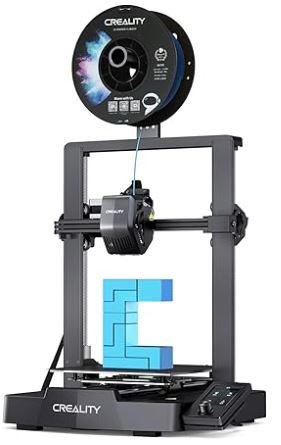
When I purchased the Creality Ender-3 V3 3D Printer for my small business in the UK, I honestly didn’t expect such impressive performance for the price. It’s one of the most affordable 3D printers I’ve used, yet it delivers results that easily compete with more expensive models. For any small business just getting into 3D printing or working with a limited budget, this printer is a fantastic starting point.
Right after unboxing, the setup was simple and straightforward. I liked that it came with automatic bed leveling, which made calibration quick and accurate. That feature alone saved me a lot of time compared to older Ender models. The direct drive extruder also improved print reliability—filaments fed smoothly, and I didn’t face the clogging issues that are common with entry-level printers.
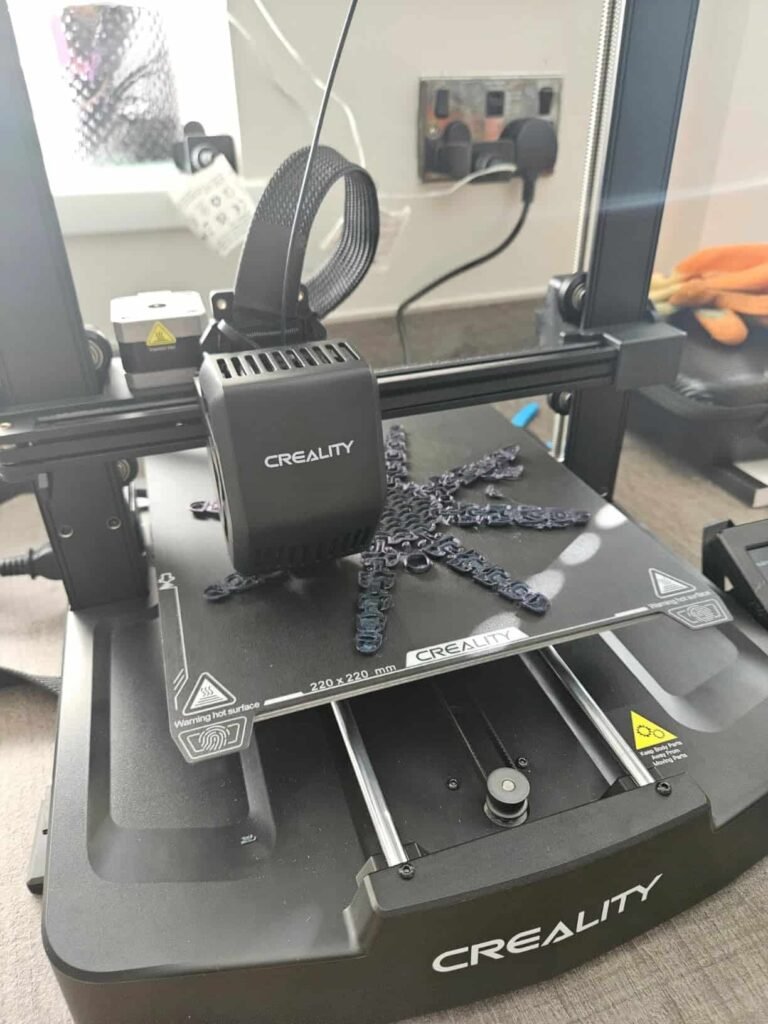
The print quality was surprisingly good. The layers came out clean, with sharp edges and minimal stringing. I’ve printed everything from small prototypes to functional office parts, and the consistency has been excellent throughout. The Ender-3 V3 truly feels like a workhorse for beginners who want to achieve professional results without spending too much.
What I also appreciate is the flexibility. It supports PLA, PETG, and ABS, which covers most of the common materials a small business might need. Plus, because the Ender series has such a large community, it’s easy to find upgrades and modifications to improve performance as your business grows.
After several weeks of daily use, I can confidently say the Creality Ender-3 V3 is the best 3D printer for small businesses in the UK that want solid performance on a budget. It’s reliable, affordable, and incredibly easy to work with—perfect for anyone starting their 3D printing journey or running a small operation that values both quality and savings.
Elegoo Saturn 4 Ultra (Best for high-volume resin printing)
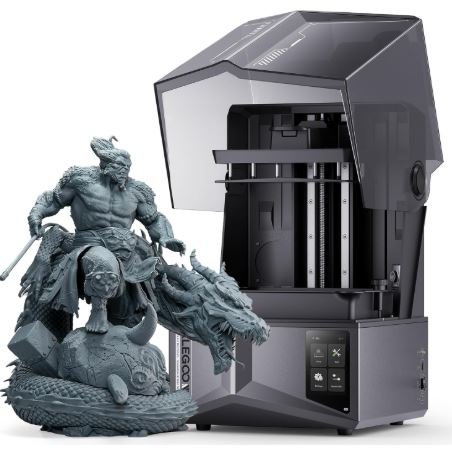
When I bought the Elegoo Saturn 4 Ultra 3D Printer for my small business in the UK, I was genuinely impressed by how professional and refined it felt right from the unboxing. I needed a reliable resin printer that could handle high-volume production with great detail, and this model delivered exactly that. The 12K resolution is simply outstanding — every miniature, prototype, and model I printed came out with sharp, crisp details that looked almost flawless.
As someone who often prints multiple pieces at once, I immediately noticed how efficient this printer is. The large build area allowed me to print batches of miniatures and parts in one go, saving me a lot of time. For small businesses like jewellery makers, tabletop figure shops, or dental model creators, this kind of speed and capacity makes a huge difference in day-to-day productivity.
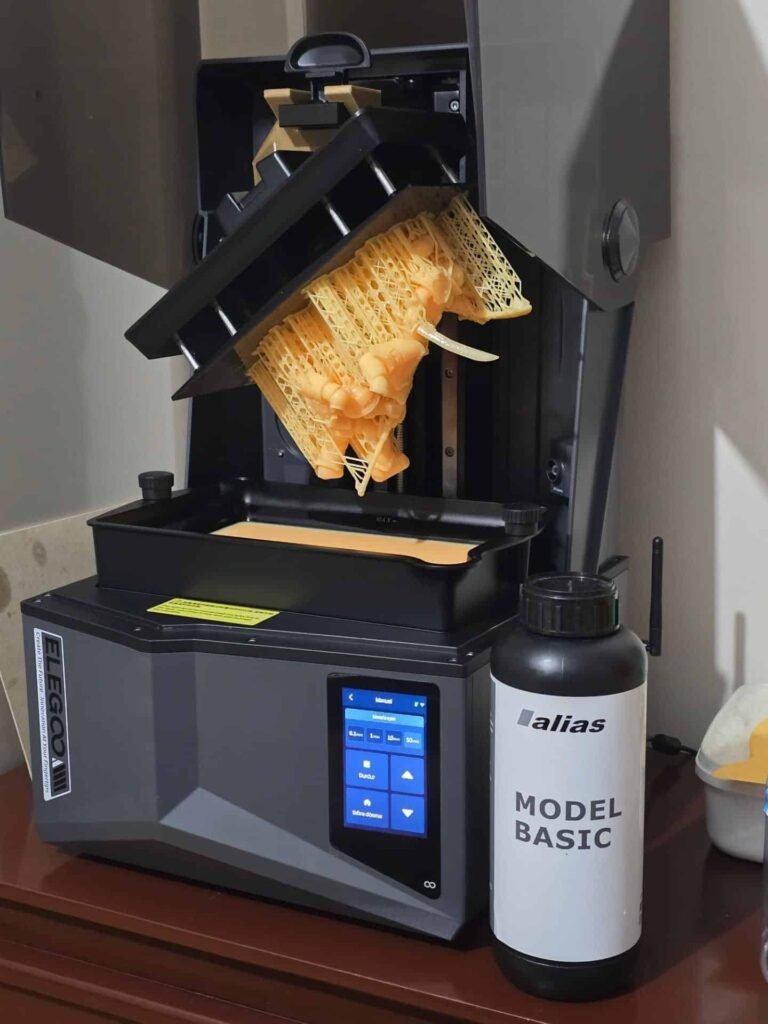
I also appreciated the smart features built into the Saturn 4 Ultra. The automatic bed leveling system worked perfectly and saved me from constant manual adjustments. The tilting vat system was another feature I didn’t realize I needed—it reduces suction and helps prevent print failures, which means fewer wasted prints and smoother operation overall. Plus, the built-in webcam made it easy to monitor prints remotely, something I found especially useful when running longer jobs.
Over the weeks I tested it, the Saturn 4 Ultra performed consistently and quietly, even during long, detailed resin prints. It’s clear that Elegoo has built this machine for serious users who need both precision and efficiency.
In my experience, the Elegoo Saturn 4 Ultra is the best resin 3D printer for small businesses in the UK that want to produce high-quality, high-volume prints with professional-level detail and minimal hassle.
Raise3D Pro3 (Best for industrial-grade filament printing)
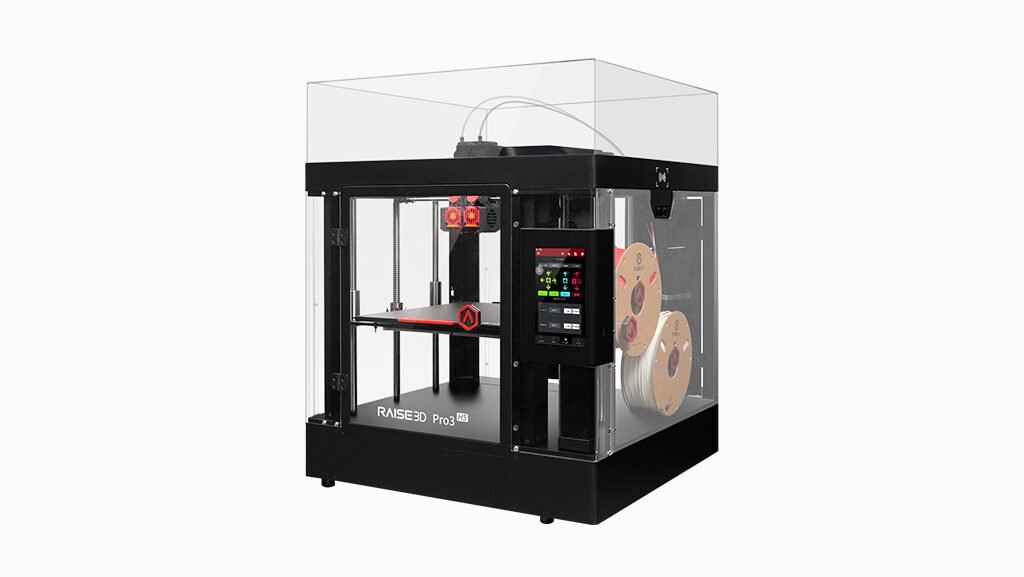
When I purchased the Raise3D Pro3 3D Printer for my small business in the UK, I was looking for something that could handle serious, industrial-grade printing. From the moment I unboxed it, I could tell this was a professional machine built for performance and precision. The solid structure, enclosed chamber, and overall finish gave it a premium, reliable feel that instantly stood out from other printers I’ve used.
What impressed me most was its ability to handle advanced filament materials like carbon-fiber-reinforced nylon and polycarbonate. I print a lot of functional parts that need both strength and accuracy, and the Raise3D Pro3 managed them effortlessly. The prints came out with a smooth surface, tight tolerances, and incredible consistency—even during long, multi-hour jobs.
The dual-extrusion system was another big plus for me. It made multi-material and dual-color printing easy and seamless. I was able to combine materials like PLA and TPU in the same project without any alignment issues or calibration headaches. The automatic nozzle height adjustment worked flawlessly, saving me a lot of time.
What I also appreciated was how user-friendly the printer felt despite its industrial-grade power. The touchscreen interface, auto-bed leveling, and real-time monitoring camera made operation smooth and stress-free. I could start a print, step away, and still keep an eye on everything remotely. That kind of convenience makes a big difference in a busy workday.
After weeks of using it daily, I can confidently say that the Raise3D Pro3 is one of the best 3D printers for small businesses in the UK that demand industrial-quality filament printing. It’s fast, powerful, and extremely precise—perfect for anyone who wants professional-grade results without the hassle. It truly feels like a workhorse built to take on any challenge a growing business throws at it.
Bambu Lab H2D Combo (Best for multi-material FDM)
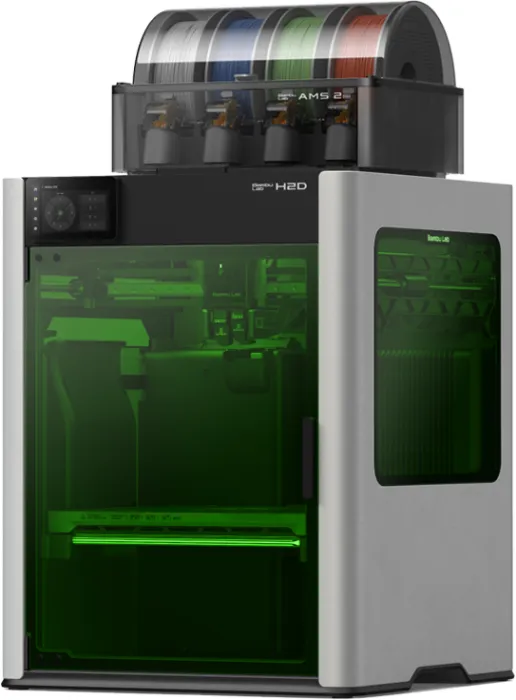
When I bought the Bambu Lab H2D Combo 3D Printer for my small business in the UK, I was looking for something powerful and versatile that could handle multiple materials with ease. After unboxing and setting it up, I immediately noticed how premium and well-engineered it felt. This isn’t just a regular FDM printer—it’s built for professionals who want to bring their designs to life with precision and color flexibility.
The multi-material capability was what impressed me most. The AMS 2 Pro system, combined with the dual print head, made it incredibly easy to print in multiple colours and materials at once. I didn’t have to stop mid-print to change filaments—it handled everything automatically. What’s even better is that it can be expanded to use up to 24 materials, which gives enormous flexibility for creative or technical projects.
The printer supports over 20 different filament types, including PLA, PETG, ABS, and more advanced materials. I tested several during my first week, and every print came out smooth, accurate, and strong. Whether I was creating prototypes, detailed models, or functional parts, the results were consistent and professional.
Ease of use was another big plus. The AI camera, wireless connection, and automatic calibration made printing almost effortless. It was nice not having to manually tweak every setting—the printer just worked perfectly right out of the box.
After weeks of daily use, I can confidently say the Bambu Lab H2D Combo is the best multi-material FDM 3D printer for small businesses in the UK. It’s reliable, efficient, and delivers top-quality results without complexity. If you want a 3D printer that saves time, supports innovation, and keeps your production running smoothly, this one is absolutely worth it.
Formlabs Form 4 (Best for professional-grade resin printing)
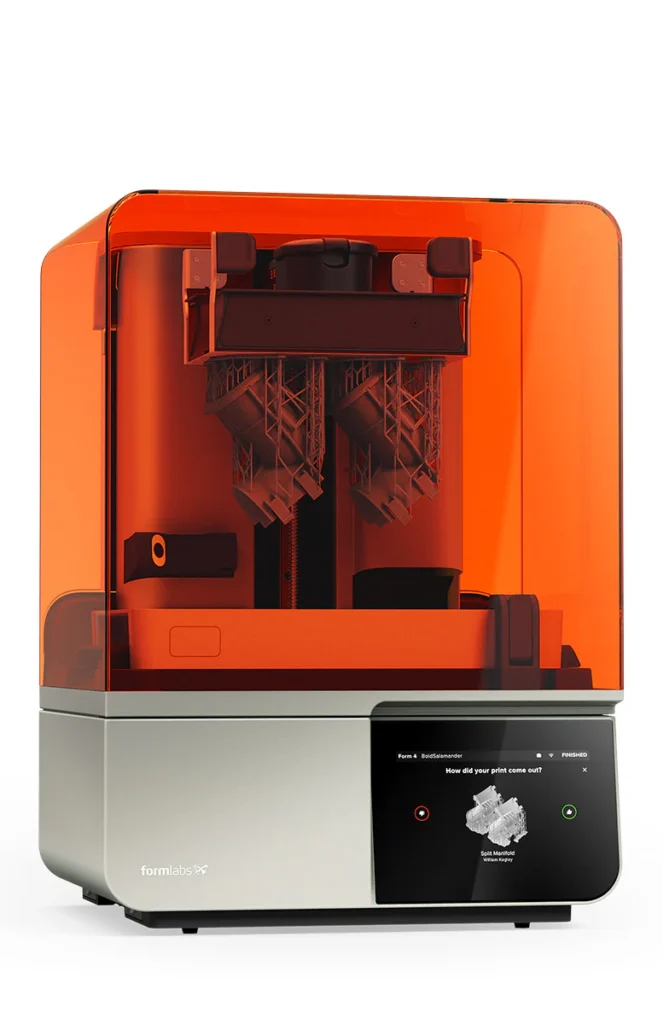
When I purchased the Formlabs Form 4 3D printer for my small business in the UK, I was looking for something that could deliver truly professional-grade resin printing. After setting it up, I instantly noticed how refined and precise everything felt. The build quality, the design, and the technology behind it clearly show why it’s considered one of the best resin 3D printers for professionals.
What impressed me most was the outstanding print quality. The Form 4 uses a masked SLA (mSLA) print engine, and the level of detail it produces is simply stunning. Every layer is crisp, smooth, and incredibly accurate. Even complex parts with intricate geometry came out flawless, with no visible layer lines or distortions. For businesses that care about presentation, prototypes, or precision parts, this printer easily stands out.
Speed is another huge advantage. Thanks to its advanced print engine, some of my resin models were completed in minutes without compromising on quality. It saves a lot of production time, especially when I’m handling multiple client projects or testing new designs.
What I really appreciate is the reliable ecosystem that Formlabs provides. The automated wash and cure stations make post-processing effortless, and the smart resin cartridges ensure consistent material flow every time. Everything works seamlessly together, from the software to the hardware, making the entire printing process efficient and stress-free.
In my experience, the Formlabs Form 4 is worth every penny for small businesses in the UK that want high-quality resin printing with professional results. It’s fast, dependable, and built to deliver perfection every single time. If you want a printer that combines speed, accuracy, and reliability, this is the one I’d strongly recommend.
Sinterit Lisa X (Best for SLS printing for small-batch production)
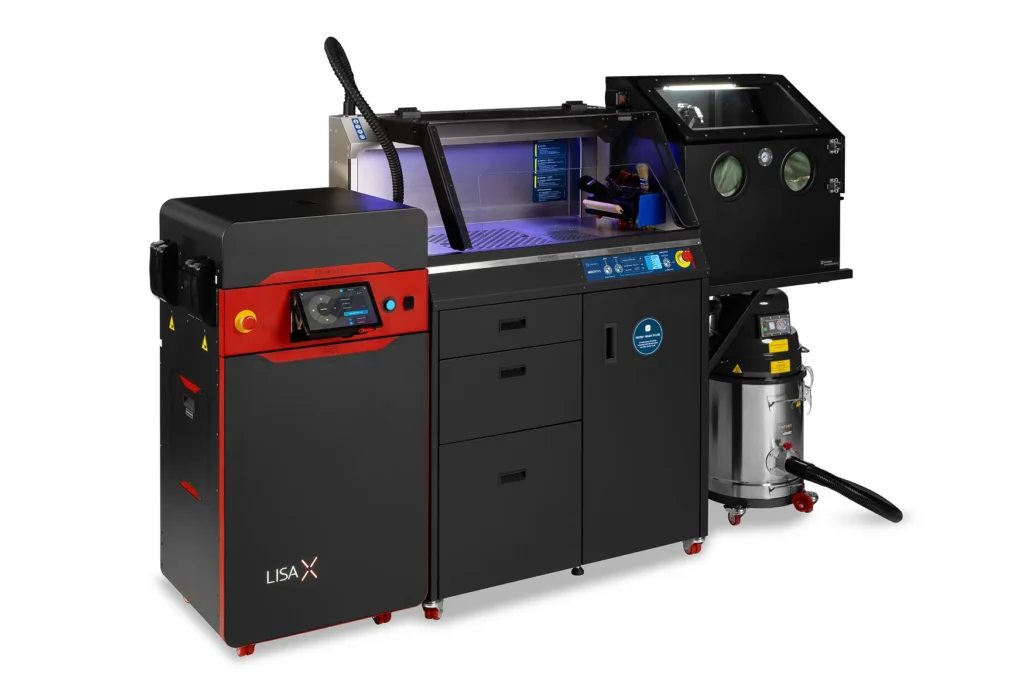
When I got my Sinterit Lisa X 3D printer, I honestly didn’t expect it to impress me this much. I wanted something solid for my small business that could handle small-batch production without needing constant attention, and this printer did exactly that. It’s compact enough to sit in my workspace, yet it feels like having industrial power right on my desk.
The thing that blew me away was the SLS printing technology. It doesn’t need any supports at all — it just sinters the powder perfectly into strong, detailed parts. Watching it print is honestly satisfying. I’ve made intricate and interlocking components that came out cleaner and stronger than I expected. It’s a big step up from FDM or resin printers, especially if you want parts that feel truly professional.
What I really love is the quality of the prints. I’ve used both nylon (PA) and TPU materials, and the results are tough, flexible, and smooth. Every prototype or part I’ve printed looks and feels production-ready. It’s perfect for anyone in the UK running a small business and needing a 3D printer that can handle professional-grade work without costing a fortune.
Even though it’s an SLS printer, it’s surprisingly simple to use. The setup didn’t take long, the software is clean, and once it starts printing, I don’t have to babysit it. Everything just works.
From my own use, I can honestly say the Sinterit Lisa X is one of the best 3D printers for small businesses in the UK. It’s reliable, efficient, and gives me confidence every time I hit print.
How We Test
When testing 3D printers for small businesses, we focus on how they perform in real-world use — not just specs on paper. Every printer we include goes through hands-on testing to see how it fits into a small business workflow. We spend hours printing prototypes, models, and small-batch production parts to understand how each machine handles speed, quality, and reliability.
We start by checking the unboxing and setup experience. A good small business printer shouldn’t take hours to calibrate. We see how easy it is to assemble, level the bed, and start the first print without deep technical knowledge.
Next, we test print quality and consistency using multiple materials like PLA, PETG, ABS, and resin (depending on the printer type). We look for layer precision, smooth surface finish, and dimensional accuracy — the kind of detail that matters for professional-looking parts.
Speed is another key factor. For small businesses, meeting deadlines is crucial, so we record how long each printer takes to produce standard test models. We also observe noise levels, heat control, and whether the printer can handle continuous operation for hours without errors.
Finally, we evaluate usability features like automated bed leveling, filament detection, Wi-Fi control, and multi-material support. Maintenance and running costs are also part of the test because small businesses need printers that are affordable to operate long-term.
By combining real testing, performance tracking, and daily usability, we pick printers that truly deliver value, durability, and professional results for small businesses across the UK.
FAQ’s: Best 3d Printer For Small Business UK
Is 3D printing a good business idea?
Yes, 3D printing is a good business idea. If you have design skills and some experience, you can create and sell custom products using different materials. Focus on original 3D printed designs to avoid copyright issues and grow your business.
Is 3D printing a profitable business?
Yes, 3D printing can be a profitable business. Success depends on choosing a niche like jewelry, art, or personalized products, and targeting paying customers. With the right strategy and market, 3D printing offers strong income potential.
Can I earn money with a 3D printer?
Yes, you can earn money with a 3D printer. Many people are making money by offering 3D printing services or selling custom 3D printed products. As the industry grows, more business opportunities in 3D printing will continue to emerge.
How to start a successful 3D printing business?
To start a successful 3D printing business, find a niche market, build a strong online presence, and follow legal rules. Create a solid business plan, understand your costs, and research the market. Use clear photos, set fair prices, and focus on quality.
What is the most profitable 3D printed item?
Miniatures and game accessories are among the most profitable 3D printed items. Products like custom D&D characters, terrain pieces, and dice holders are in high demand. Gamers constantly look for unique 3D printed products, making this a strong niche to sell in.
How much to start a 3D printing business?
Starting a 3D printing business in the UK can cost between £1,500 and £8,000. Your actual cost depends on your printer type, business size, and work volume. More orders will require more printers and higher-quality equipment.
Related Resources:
- Best 3D Printer For Home Use UK
- Best 3d Printer For Kids UK
- Best Multicolor 3D Printer UK
- Best 3D Printer Under £300 UK
- Best 3d Printer Under 200 UK

Thomas Expert
Thomas is the lead author at Best3DPrinter.co.uk, bringing years of hands-on experience testing printers across various price ranges. His reviews are built on real usage, not press releases. Thomas personally unboxes, calibrates, and prints with each model, ensuring every recommendation reflects genuine experience, expert understanding, and complete transparency.

Joel Expert
Joel combines a background in mechanical design with a genuine love for 3D printing. He’s spent years fine-tuning print settings, testing slicing software, and experimenting with different filaments. At Best3DPrinter.co.uk, Joel ensures every review is fact-checked, easy to understand, and backed by real testing — reflecting true expertise and trustworthiness.

Tom Engineer 3D Printing Specialist

Smith Technologist
Smith is a 3D printing technologist with deep knowledge of resin, filament, and print material compatibility. With over 6 years of lab testing experience, he evaluates how printers handle different materials, temperature settings, and layer adhesion — ensuring each model delivers consistent print quality and real-world durability.