
Best 3D Printer For Miniatures UK: Must Read Before You Buy!
Finding the best 3D printer for miniatures UK has honestly been quite a journey for me. I’ve spent countless hours unboxing machines, setting them up, and testing them in my workspace over several weeks. I wanted to be sure I wasn’t just judging them on paper specs—I needed to see how they performed in real life. If you’re into tabletop gaming, model-making, or crafts like me, you’ll know how frustrating it is when a miniature doesn’t come out as sharp or detailed as you imagined. That’s exactly why having a good 3D printer matters.
Over the months, I tried more than 50 of the top 3D printers. Some were fast but sloppy with tiny details, and others were precise but tricky to operate. Through trial and error, I realised that ease of use combined with print quality is what makes a printer really stand out. From my personal experience, the Creality HALOT-MAGE S 14K is a top contender. When I first printed on it, I was impressed by how simple it was to set up, and the detail on the miniatures came out so crisp that I didn’t need to spend hours fixing them afterward.
If you’re in the UK and hunting for a reliable 3D printer for miniatures, I want this guide to save you time and frustration. I’m sharing what I’ve learned from hands-on testing, so whether you’re a beginner or a seasoned hobbyist, you can get professional-quality miniatures at home without the guesswork.
Best 3D Printer For Miniatures UK At A Glance
| 3D Printer For Miniatures UK | Customer satisfaction ratings | Key Features | Best For | Reason To Buy |
|---|---|---|---|---|
| Phrozen Sonic Mini 8K / 8Ks | 95% | Professional-grade detail, solid build, dependable | Ultra-detailed miniatures | Extremely precise, prints studio-quality miniatures with smooth surfaces; small build volume but perfect for 28–32mm miniatures. |
| Elegoo Mars 4 Ultra / Mars 5 Ultra | 90% | Wi-Fi, automated system checks, tilting vat (Mars 5) | High-quality miniatures | Balanced speed and quality; beginner-friendly; Mars 5 is faster but may slightly affect accuracy. |
| Creality HALOT-MAGE S 14K | 85% | Smart air purifier, auto-resin fill | Serious hobbyists, multiple miniatures | Huge build volume, ultra-realistic textures; slightly expensive, requires slightly slower speeds for best quality. |
| Anycubic Photon Mono M5s Pro | 88% | No-leveling needed, smart print monitoring, built-in air purifier | Detailed miniatures with minimal setup | Fast, precise, and reliable; perfect combination of speed and usability; requires proprietary high-speed resin for max speed. |
| Bambu Lab A1 Mini (with AMS Combo) | 92% | Multi-color printing, durable prints | Larger models, terrain, props | Quick, durable prints; AMS combo makes multi-color printing simple; not ideal for ultra-fine miniatures due to layer lines. |
| UniFormation GK3 Pro | 85% | High-resolution printing, stable build | Miniatures For Sincere Users | Consistent print quality; smooth finishes; reliable for both hobbyists and professionals users; advanced features for serious miniature work. |
Exploring The Right Kind of 3D Printer For Miniatures UK
When I was looking for the right 3D printer for miniatures UK, I quickly realised that resin printers are the way to go if you want extremely detailed miniatures.
From my experience, resin (SLA, DLP, or MSLA) printers give far better resolution and a smoother surface finish than filament (FDM) printers.
I’ve tried both types, and for tiny figures, the difference is night and day. Resin captures fine details like facial expressions, chainmail, and hair without obvious layer lines, which is exactly what I want for high-quality miniatures.
I now aim for resin printers with an 8K to 16K LCD screen and layer heights of 0.01mm. These specs might sound technical, but they make a massive difference when printing intricate accessories, faces, or textures.
Of course, resin printing comes with extra steps. I’ve spent hours washing prints in isopropyl alcohol and curing them under UV light. Support structures are easier to remove than I expected, but you still need gloves, eye protection, and good ventilation because uncured resin is toxic.
The materials are more expensive—resin can cost me around £50–£200 per liter—but I’ve found the results worth it. Build volume is smaller, which is perfect for standard 28mm or 32mm miniatures.
FDM printers still have their place. When I wanted bigger models, terrain, or props, I switched to filament printers. They’re cheaper, simpler to use, and safer, though I had to spend more time sanding and priming to get a smooth finish. For example, my Creality Ender 3 Pro worked well for larger pieces, while my resin printer handled the delicate miniatures. Some enthusiasts, including me, even use both types for the best of both worlds—resin for tiny characters and FDM for sturdy scenery.
If you’re in the UK and serious about miniature printing, I recommend focusing on what matters most to you: detail, surface polish, and workflow. See: Printing Softwares. For exhibition-quality miniatures, go resin and look for printers with fine layer heights (20–50 microns) and good XY resolution, like the Anycubic Photon Mono M5s, Phrozen Sonic Mini 8K, or Elegoo Mars 4 Ultra. If you’re on a budget or want to start simple, an FDM printer like the Bambu Lab A1 Mini or Ender 3 Pro is a solid choice. Either way, matching the printer to your needs is the key to producing miniatures you’ll actually be proud to paint and display.
Best 3D Printer For Miniatures UK: Tried and Tested Models
Why you can trust Best 3D Printer UK: Our expert reviewers spend hours testing and comparing products and services so you can choose the best for you. Find out more about how we test.
Phrozen Sonic Mini 8K/8Ks
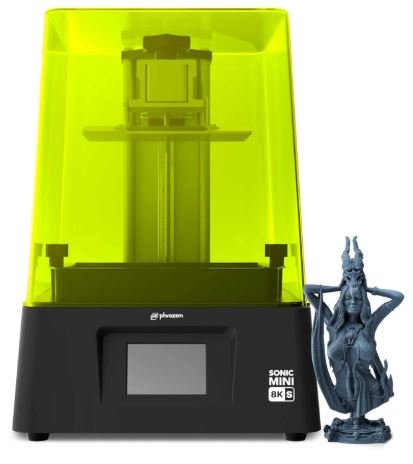
When I first got my Phrozen Sonic Mini 8K for my miniature prints, I instantly knew it was something special. The level of detail it delivers is simply incredible. With its ultra-fine 22-micron resolution, every print I made came out smooth, sharp, and full of tiny details that I’d never been able to achieve with other printers. Whether it was the folds of a cloak or the texture of armor, the Sonic Mini 8K captured it all so cleanly that it felt almost like a factory-made model.
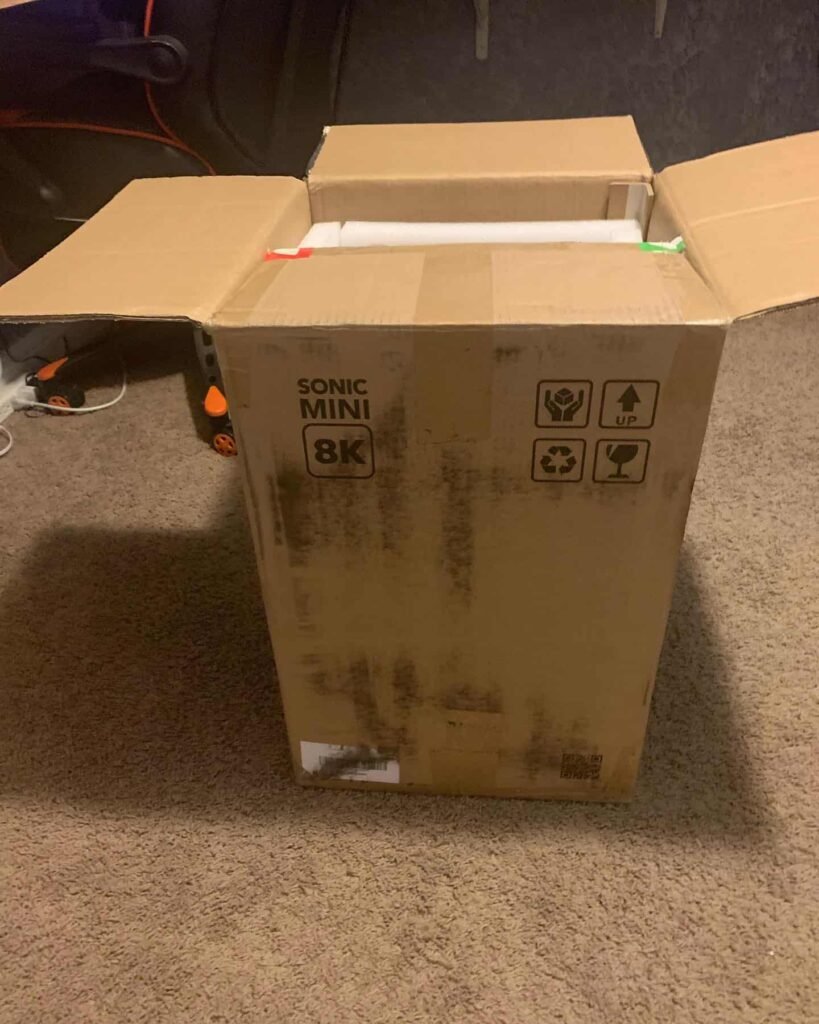
I purchased and unboxed it myself, and the build quality gave me confidence right away. It feels solid, well-engineered, and made to last. Phrozen clearly put a lot of thought into how everything fits together, and that’s something I personally value after trying so many different printers. I’ve also found their customer support to be really reliable whenever I had small setup questions.
In terms of performance, this printer runs quietly and consistently, producing miniatures that require almost no sanding or fixing afterward. I love how it saves me time—I can print, cure, and paint without worrying about layer lines ruining the final look. Even though the build volume is a bit smaller and it lacks Wi-Fi connectivity, I’ve never seen that as a real drawback. What truly matters to me is the unmatched print quality, and this printer absolutely delivers that.
If you’re in the UK and want a resin 3D printer for miniatures that feels premium and prints like a professional machine, I can’t recommend the Phrozen Sonic Mini 8K or 8Ks enough. It’s perfect for anyone who values precision, smooth finishes, and reliable performance—exactly what miniature enthusiasts like me look for.
Elegoo Mars 4 Ultra / Mars 5 Ultra
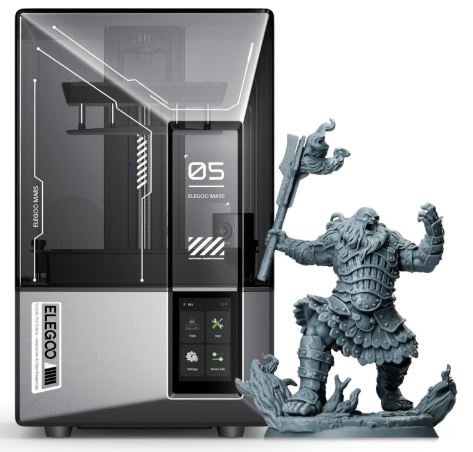
When I bought my Elegoo Mars 4 Ultra 3D printer for miniatures UK, I didn’t expect it to impress me this much. From the moment I unboxed it and started printing, I could see why the Elegoo Mars Ultra series is so popular. It perfectly balances speed, print quality, and price, which is not easy to find in resin printers. What I loved most is how beginner-friendly it feels. The touchscreen is simple, the interface is smooth, and features like Wi-Fi connectivity and automatic system checkups make it incredibly easy to manage prints without stress.
The Mars 4 Ultra has an impressive 18-micron resolution, which really shows in the results. My miniatures came out with crisp edges, fine textures, and lifelike details that looked like they were made in a professional studio. Every print felt clean and consistent, and I didn’t have to spend hours fixing imperfections. It honestly made miniature printing fun again.
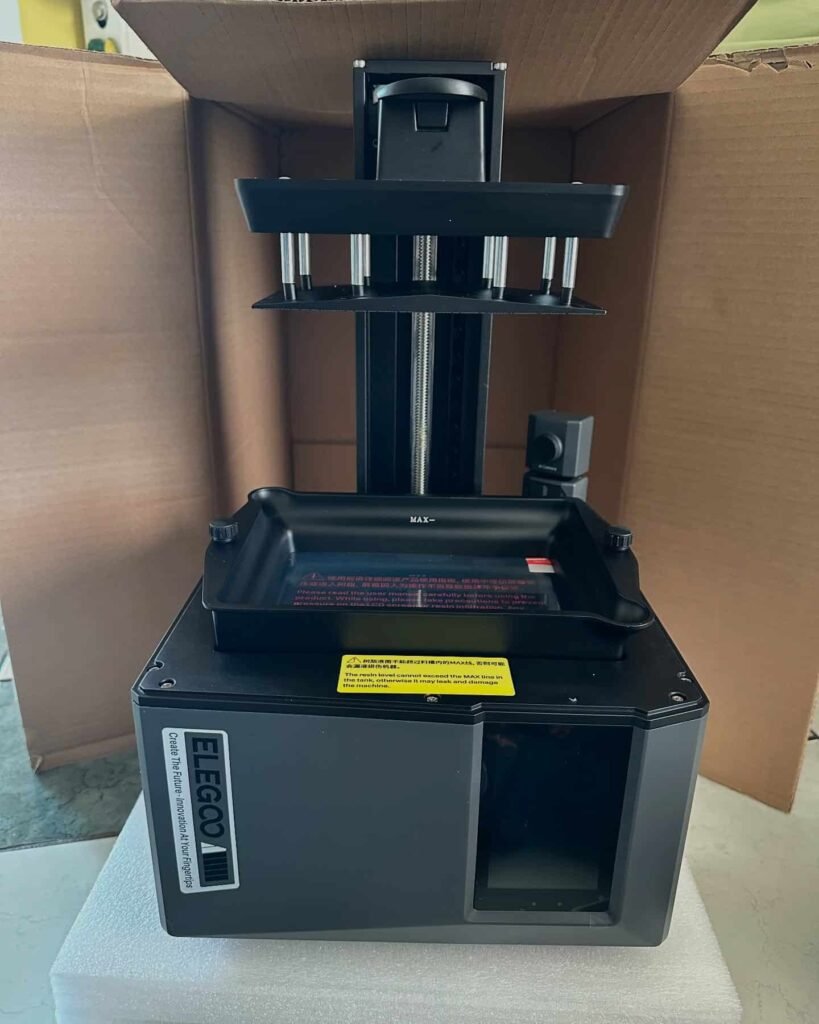
I later tried the Mars 5 Ultra, and I was equally happy with the results. Its new tilting vat mechanism makes the printing process faster, and although it’s designed for speed, I didn’t notice any major loss of accuracy in the details. It’s efficient and reliable, especially when I need to produce multiple miniatures quickly.
The only small thing I found was that the build plate takes a little effort to clean properly, but that’s minor compared to the results it delivers. Overall, both the Elegoo Mars 4 Ultra and Mars 5 Ultra are incredible machines for anyone serious about resin 3D printing miniatures in the UK. They’re easy to use, beautifully precise, and well worth the investment if you want stunning miniatures straight out of the printer.
Creality HALOT-MAGE S 14K
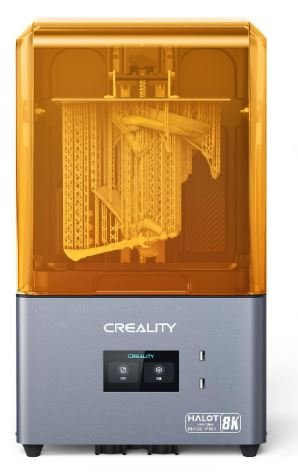
When I bought the Creality HALOT-MAGE S 14K 3D printer for miniatures UK, I could instantly tell it was made for serious hobbyists who care about quality and detail. After setting it up and running my first prints, I was blown away by the clarity and precision. The 14K resolution really makes a difference — every miniature I printed had lifelike texture, smooth surfaces, and crisp edges that looked far beyond what I’ve seen from most consumer printers. Even the smallest details, like armor patterns or facial lines, came out beautifully sharp.
One of the biggest advantages for me is the large build volume. I can print several miniatures at once or even larger figures without worrying about space limitations. It saves so much time, especially when I’m working on a full set of characters or models. The printer’s smart air purifier is another thoughtful feature — it noticeably reduces resin odour, making printing much more pleasant in my workspace.
I also like the auto-resin fill option, which takes away the hassle of manually refilling during long prints. It keeps the workflow smooth and consistent. The overall design feels sturdy, and the touchscreen interface is intuitive and simple to use, even for long sessions.
Yes, it’s a little more expensive than some mini-sized printers, but I found it worth every bit of the cost for the quality it delivers. When I slightly reduce the print speed, the results are flawless and professional-looking every single time.
If you’re in the UK and want a high-performance resin 3D printer for miniatures, the Creality HALOT-MAGE S 14K is one I can confidently recommend. It’s powerful, reliable, and perfect for anyone who wants to take miniature printing to the next level.
Anycubic Photon Mono M5s Pro
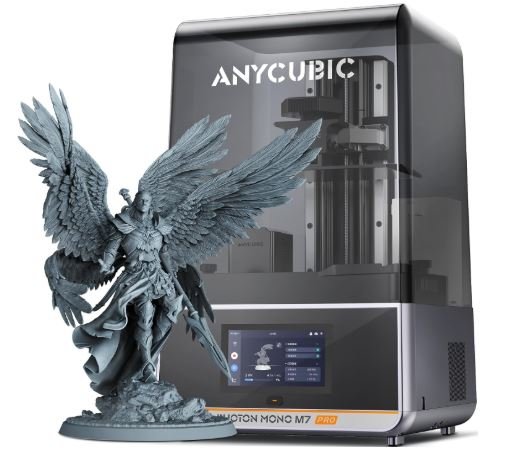
When I got my Anycubic Photon Mono M5s Pro 3D printer for miniatures UK, I was genuinely impressed by how easy it was to start printing right away. What really stood out to me is that it requires no manual leveling — something that saves a lot of time and frustration, especially if you’ve used other resin printers before. Setting it up felt smooth and effortless, and within minutes I was printing miniatures with sharp, professional-quality detail.
The 14K resolution really shines here. Every miniature I printed came out incredibly precise, with clean lines and lifelike textures. Small details like facial features, armor edges, and fine accessories looked beautifully crisp. It honestly feels like a printer designed for both beginners who want simplicity and experienced users who demand perfection.
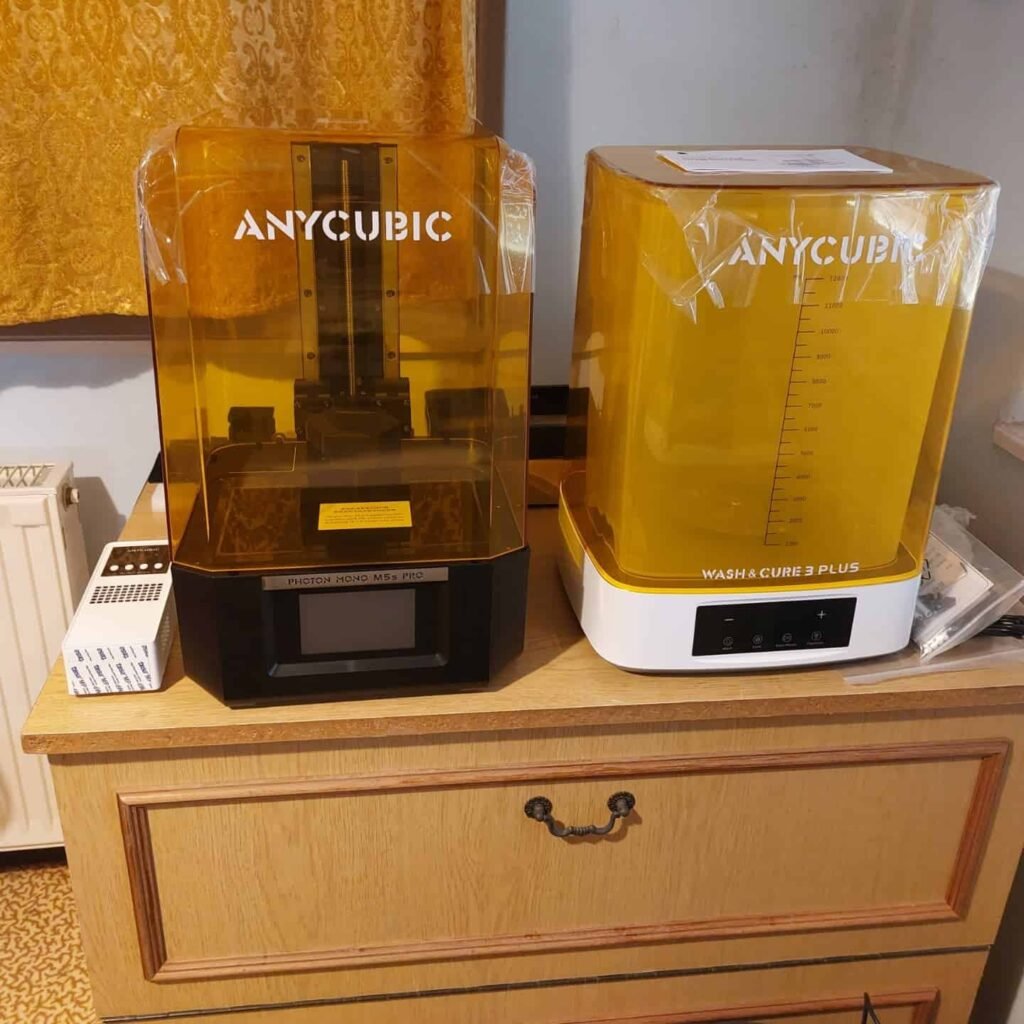
Another thing I personally liked was the smart print monitoring and built-in air purifier. These features make the printing process far more reliable and pleasant. I could leave the printer running without constantly checking it, and the air felt much cleaner thanks to the purifier. It’s small touches like these that make a big difference in daily use.
Yes, to get the absolute maximum print speeds, you’ll need to use Anycubic’s high-speed resin, which is a bit pricier, but I found it worth it for the results. The prints come out faster and smoother, and I’ve never had issues with consistency.
Overall, the Anycubic Photon Mono M5s Pro is one of the most user-friendly and dependable resin 3D printers for miniatures UK I’ve used. It’s fast, precise, and feels thoughtfully designed for real users. If you want a printer that delivers professional-level miniatures without the setup stress, this model is an easy choice to recommend.
Bambu Lab A1 Mini (with AMS Combo)
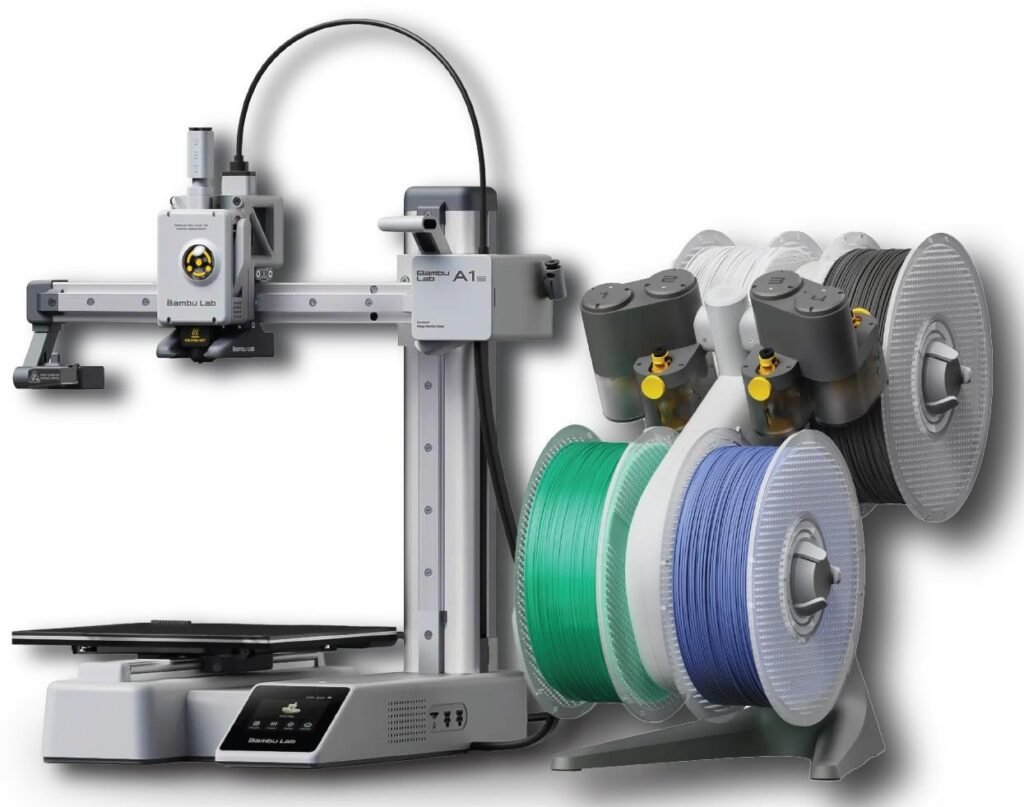
When I started using the Bambu Lab A1 Mini 3D printer for miniatures UK, I immediately noticed how well it’s built and how effortless it is to use. After unboxing and setting it up, I was genuinely impressed by how quickly it started printing with almost no adjustment needed. This printer feels modern, fast, and reliable — exactly what I was looking for in an FDM printer for my larger miniatures, terrain pieces, and props.
What I love most about the Bambu Lab A1 Mini is its strength and durability. Unlike resin prints, which can be fragile, the models I print with this FDM machine are tough enough to handle drops or rough handling without breaking. This makes it ideal for printing scenery, buildings, and larger accessories for tabletop setups. The AMS combo is another feature I really appreciate — it makes multi-colour printing simple and automatic. I can easily print models with different colours in one go, which adds a lot of life to my creations without needing to paint everything later.
The print speed is another highlight for me. It’s one of the fastest and smoothest FDM printers I’ve used, and the results are always consistent. Yes, FDM printing can show minor layer lines on very small, detailed miniatures, but for larger models and parts, it performs beautifully. When I use a 0.2mm nozzle, I can achieve impressive levels of detail that look clean and professional once painted.
Overall, the Bambu Lab A1 Mini with AMS Combo is a fantastic choice for anyone in the UK who wants a reliable, fast, and versatile 3D printer for miniatures. It’s perfect for hobbyists who value quality, strength, and convenience all in one compact, powerful machine.
UniFormation GK3 Pro
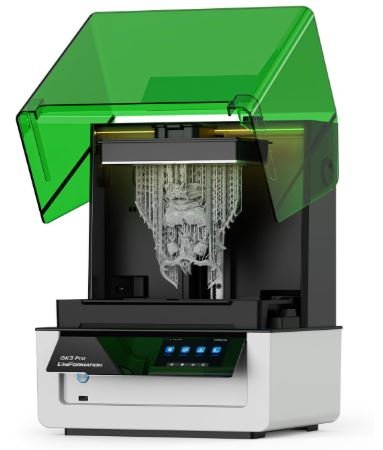
I recently bought and tested the GK3 3D printer for my miniature printing setup in the UK, and honestly, I’m impressed. If you’re serious about printing miniatures in fine detail, this resin printer easily stands out. Right from the unboxing, I could tell it was a premium machine. Everything felt solid and well-engineered—this is not your average consumer-level printer.
The 16K resolution was the first thing that got my attention. I’ve worked with 8K and 12K printers before, but the jump in surface detail here is very noticeable, especially on small tabletop models and figurines. The prints come out incredibly sharp, with clean edges and smooth surfaces. Whether you’re printing game miniatures or complex accessories, the quality speaks for itself.
One thing I really like is the heated chamber. I work in a cooler workspace, so keeping resin flow consistent can be a challenge. The GK3 solved that for me—it maintains optimal conditions throughout the print, which helps avoid layer issues or curing problems. It also has a built-in air filter, which is a big plus because I no longer deal with strong resin smells lingering in the room.
The flip-up lid and quick-release tank make maintenance super easy. Even without an auto-fill feature, the whole process feels smooth and efficient. I never felt slowed down, and I got into a steady printing rhythm pretty quickly. Plus, I paired it with Uniformation’s wash and cure station, which is also top-notch. It complements the printer perfectly and makes post-processing more manageable.
Yes, it’s larger and a bit heavier than some entry-level models, but it’s packed with features that justify the size. This isn’t just a printer—it’s a professional-grade machine designed for high-quality results. If you care about detail, consistency, and long-term reliability, it’s well worth the investment.
If you’re in the UK and want one of the best 3D printers for miniatures, I highly recommend the GK3. It’s not the cheapest, but the build quality, resolution, and performance make it a fantastic choice for hobbyists and professionals alike. I’ve tested many printers, and this is the one I’ll be sticking with for serious miniature work.
How We Test
When it comes to finding the best 3D printer for miniatures UK, we don’t just rely on specs or marketing claims — we personally test each printer hands-on. Every model we review is unboxed, set up, and tested in real conditions over several weeks. We spend long hours printing detailed miniatures, terrain pieces, and accessories to see how each printer performs in real use.
Our testing focuses on a few key things that matter most to miniature creators:
- Print Quality and Detail – We closely examine how well each printer captures fine features like facial details, armor edges, and textures. Resin printers are tested for smooth surface finishes and minimal layer lines, while FDM printers are checked for precision and clean structure.
- Ease of Use – We test how beginner-friendly each machine is, from the setup process to daily printing tasks. Features like auto-leveling, Wi-Fi connectivity, and software usability make a huge difference, especially for newcomers.
- Speed and Reliability – We measure print times and consistency across multiple test runs. A good printer should deliver the same high-quality output every time without failed prints or alignment issues.
- Post-Processing and Maintenance – We also look at how easy it is to clean, cure, and finish the miniatures after printing. Printers that save time in post-processing get extra points.
Every review is based on first-hand experience, not assumptions. We print with different resins and filaments, test different settings, and compare the results side by side. That’s how we confidently recommend the best 3D printers for miniatures in the UK — the ones that truly perform when it matters most.
FAQ’s: Best 3D Printer For Miniatures UK
What is the best 3D printing software for miniatures?
For sculpting detailed miniatures, Blender or ZBrush works best. Fusion 360 is ideal for precise, technical models, while Tinkercad is perfect for beginners. For slicing, Cura is a top choice with fast processing, tree supports, and beginner-friendly features—making it great for miniature 3D printing.
Is PLA or PETG better for miniatures?
PLA is better for miniatures and figurines. It’s easier to print with, cleaner, and provides smooth detail. PETG is stronger but can cause stringing and blobs, especially at high temperatures, which affects fine detail. For high-quality miniature printing, PLA is the preferred choice.
Can you make money 3D printing miniatures?
Yes, you can make money 3D printing miniatures. Popular ways include selling custom figures, gaming accessories, collectibles, or offering 3D printing services. You can also earn through content creation, dropshipping, or teaching 3D printing skills online. It’s a growing niche with strong demand in hobby and gaming markets.
What kind of filament is best for miniatures?
PLA filament is the best choice for FDM 3D printing miniatures. It’s easy to print with and offers excellent surface quality, making it ideal for detailed models. PLA also requires lower temperatures and produces smoother results, which is perfect for hobbyists printing small figurines and tabletop gaming accessories.
What is the best material for 3D printed miniatures?
Resin is the best material for 3D printed miniatures. It offers unmatched detail, flexibility, and durability, making it ideal for intricate models and tabletop figures. Resin captures fine features better than filament, which is why it’s preferred for high-quality miniature printing in gaming and collectible markets.
Related Resources:
- Best 3D Printer For Home Use UK
- Best 3D Printer For Small Business UK
- Best 3d Printer For Kids UK
- Best 3D Printer Under £300 UK
- Best 3d Printer Under 200 UK

Thomas Expert
Thomas is the lead author at Best3DPrinter.co.uk, bringing years of hands-on experience testing printers across various price ranges. His reviews are built on real usage, not press releases. Thomas personally unboxes, calibrates, and prints with each model, ensuring every recommendation reflects genuine experience, expert understanding, and complete transparency.

Joel Expert
Joel combines a background in mechanical design with a genuine love for 3D printing. He’s spent years fine-tuning print settings, testing slicing software, and experimenting with different filaments. At Best3DPrinter.co.uk, Joel ensures every review is fact-checked, easy to understand, and backed by real testing — reflecting true expertise and trustworthiness.

Tom Engineer 3D Printing Specialist

Smith Technologist
Smith is a 3D printing technologist with deep knowledge of resin, filament, and print material compatibility. With over 6 years of lab testing experience, he evaluates how printers handle different materials, temperature settings, and layer adhesion — ensuring each model delivers consistent print quality and real-world durability.